
Why Start Now
If you've been entering sweepstakes online for a while, you've probably noticed a short paragraph in the official rules explaining how to enter by mail. Maybe you skimmed past it, figuring it was outdated or more trouble than it's worth. You're not alone. Most entrants never try mail-in entries at all, and that's precisely the reason they're worth learning. A method that few people use can quietly put you in a smaller crowd, and smaller crowds are where good odds tend to live.
The idea of handwriting entries can feel intimidating at first, so this guide breaks it into a simple four-week starter plan. By the end of it, you'll have a small routine in place, a few entries in the mail, and the confidence to keep going.
First, the Short Version of Why It Works
In the United States, a promotion that combines a prize, a random drawing, and a required payment is generally treated as a lottery, and private businesses typically aren't allowed to run lotteries. That's why legitimate sweepstakes promise "no purchase necessary." When a sweepstakes is tied to buying something, such as a code inside a product or a store receipt, the sponsor generally must also offer a free way to enter, often called an alternate method of entry. Mailing in a handwritten card is one of the most common versions.
The free method is generally intended to give you the same chance of winning as a purchased entry. And because mailing a card takes more effort than clicking a button, far fewer people do it. Fewer mailed entries means each one carries a larger share of that part of the drawing. That doesn't guarantee a win, of course, and some big national sweepstakes still receive plenty of mail. But it's a genuine edge that many entrants leave untouched.
Week One: Gather Your Supplies
Your first week is all about getting ready, and it shouldn't take more than a quick shopping trip. You'll want a pack of 3" x 5" index cards, a box of standard business envelopes, a book of first-class stamps, and a pen with dark ink that doesn't smear. Find a drawer, box, or basket to keep everything together so you never have to hunt for supplies.
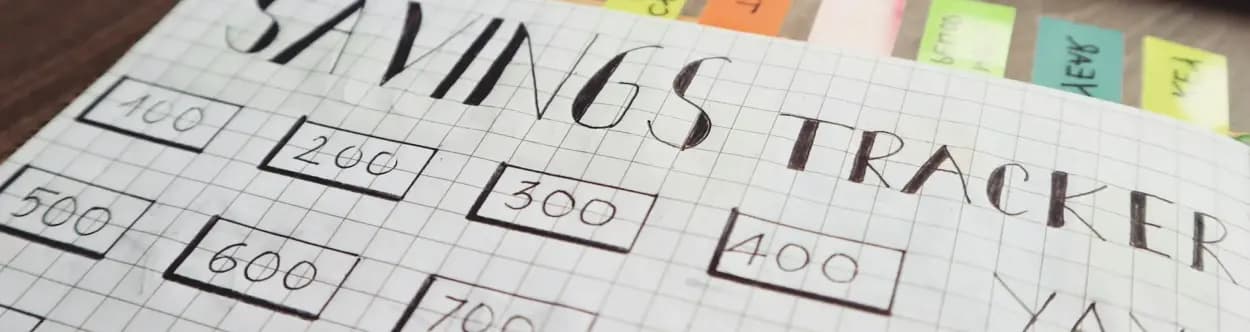
This is also a good week to set up a simple tracker. It can be a notebook or a spreadsheet, with columns for the sweepstakes name, mailing address, deadline, entry limit, and the dates you mail each entry. You'll thank yourself later, because many mail-in sweepstakes limit how many entries you can send, and going over that limit can disqualify everything you've mailed.
Finally, decide on a monthly budget for stamps and supplies. Even a modest amount is plenty to start, and having a limit keeps the hobby sweet rather than stressful.
Week Two: Find Your First Three Sweepstakes
Now it's time to go looking. As you browse sweepstakes, scroll down to the official rules and look for a section about mail-in or alternate entry. Promotions tied to products, like those with codes printed on packaging, are especially likely to include one. Aim to find three sweepstakes with mail-in options this week.
As you choose, favor promotions with prizes you'd genuinely love, rules that clearly state mail-in entries count equally, and a lower profile, since sweepstakes that aren't advertised everywhere tend to receive less mail. Smaller brands and regional promotions are great places to start. Promotions with short entry windows or ones that run during busy seasons, like the holidays, can also see lighter mail volume.
Week Three: Read the Rules and Write Your Cards
This is the week you'll actually write your entries, and the most important step comes first: reading the mail-in instructions slowly and carefully. Sponsors can be very specific, and an entry that misses a detail may be thrown out without anyone telling you.
For each sweepstakes, note the card size required, whether information must be hand-printed rather than typed or labeled, and exactly what to include. Most sponsors ask for your name, mailing address, and phone number, and many also want your email address and age or date of birth. Some require the name of the promotion or a specific phrase. Check whether only one entry is allowed per envelope, since several cards in one envelope can void them all, and whether the envelope must be hand-addressed.
When you write, print clearly in dark ink. A real person or a processing company will read your card, and a misread phone number or email address could mean the sponsor can't reach you if you win. Use the same version of your name and address every time so verification goes smoothly. Skip stickers and decorations, since they won't help and some rules prohibit extra materials.
Week Four: Mail, Track, and Reflect
Before you drop your envelopes in the mailbox, check the deadline language one more time. A postmark deadline means the post office must stamp your envelope by that date. A "received by" deadline means your entry has to physically arrive in time, so mail it several days early to give the postal service room.
Once your entries are mailed, record each one in your tracker. Then take a moment to reflect. How long did the process take? Did any instructions confuse you? Which supplies did you actually use? Small adjustments now will make future sessions faster and easier. You might discover that a different pen works better, that keeping a sheet of pre-written return address labels saves time where the rules allow them on the envelope, or that working through cards in batches of five feels more manageable than doing them all at once. Every entrant's ideal routine looks a little different, and this first month is your chance to find yours.
Keeping the Habit Going
After your first month, you'll have a simple system you can repeat. Many entrants choose a regular weekly time for mail-in entries, like a quiet weekend morning or a weeknight after dinner, and work through a few cards in one relaxed session. Over time, your tracker becomes a record of which sponsors offer mail-in options again and again, which helps you spot new opportunities faster.
It's also wise to stay patient. Sweepstakes are random, and results come from steady participation over months rather than a single great week. Keep mailing at a pace that fits your budget, check your tracker every so often to see which promotions are worth continued attention, and enjoy the process. Many people find that mail-in entries become one of the most relaxing parts of the hobby, a peaceful break from screens that still moves them closer to a win.
Part of a Well-Rounded Approach
Mail-in entries work best alongside your online and daily entries. Online entries give you volume, daily entries help you stay consistent, and mail-in entries give you access to smaller pools that most people skip. Together, they make for a balanced strategy that covers more ground than any one method alone.
Ready to add even more sweet opportunities to your routine? Sign up with Sweetie Sweepstakes to discover new chances to win and tips that make the hobby even more fun.